FSH UIN Jakarta Strengthens Organizational Governance through SOP and ISO-Based Management Training
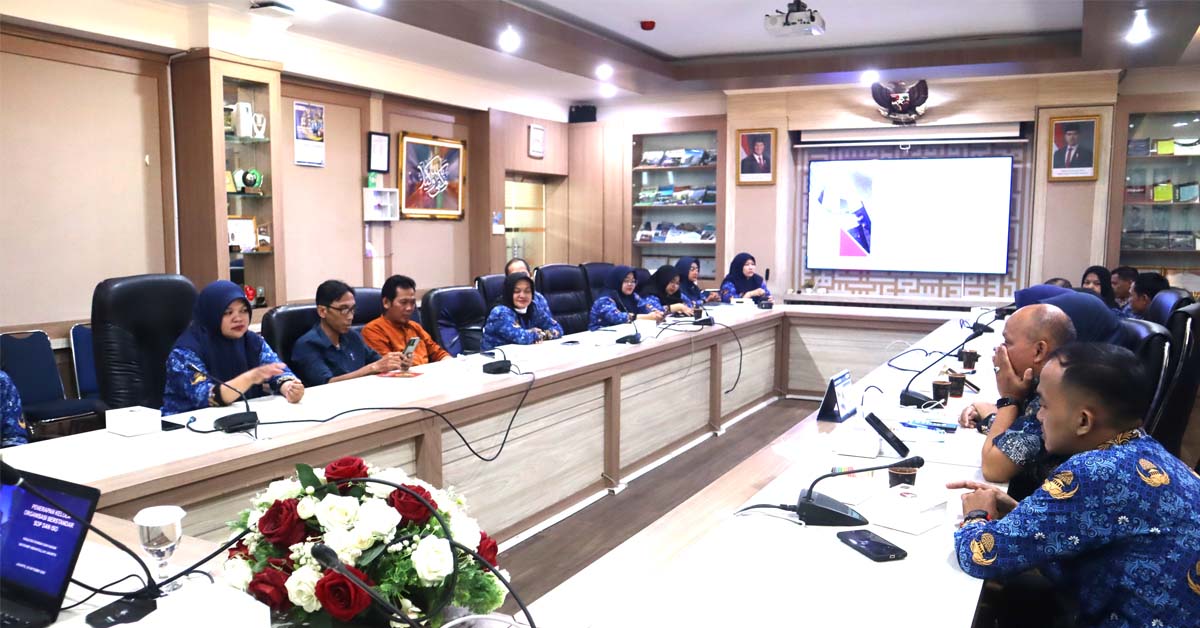
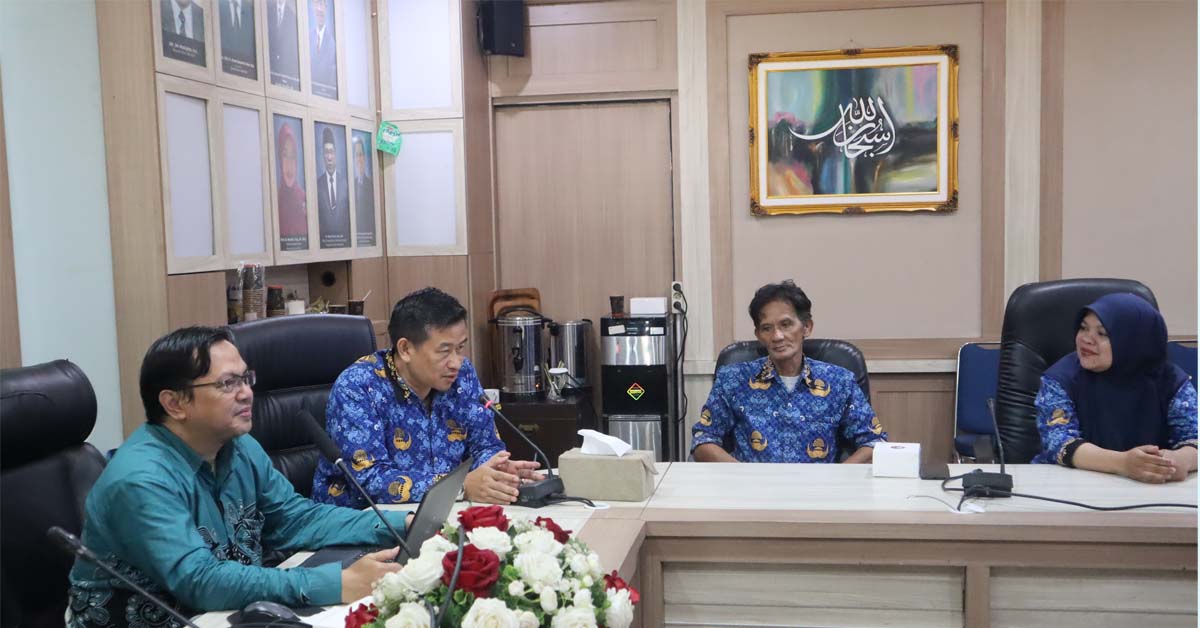
FSH NEWS, 2nd-Floor Meeting Room — The Faculty of Sharia and Law (FSH) of UIN Syarif Hidayatullah Jakarta continues to strengthen organizational governance by promoting structured, consistent, and quality-oriented work systems. One of these efforts is carried out through training on implementing organizational governance based on Standard Operating Procedures (SOPs) and ISO standards.
The activity began with opening remarks by the Dean of FSH UIN Jakarta, Prof. Dr. Muhammad Maksum, S.H., M.A., M.D.C., who emphasized the importance of enthusiasm, dedication, and responsibility among all faculty members in carrying out their duties. The Dean stated that every task should be performed to the best of one's ability, not merely to receive praise, but as an expression of responsibility and a contribution to organizational progress.
In his remarks, the Dean also encouraged all administrative staff to continue making their best contributions to the faculty. According to him, FSH's achievements and progress depend on the collective efforts of everyone working within the organization. Therefore, the commitment to continuously improving work quality must be maintained, including among employees approaching retirement.
The Dean emphasized that governance based on SOPs and quality standards is essential to building a more professional organization. SOPs should not merely serve as administrative documents but must be implemented as practical guidelines for daily work.
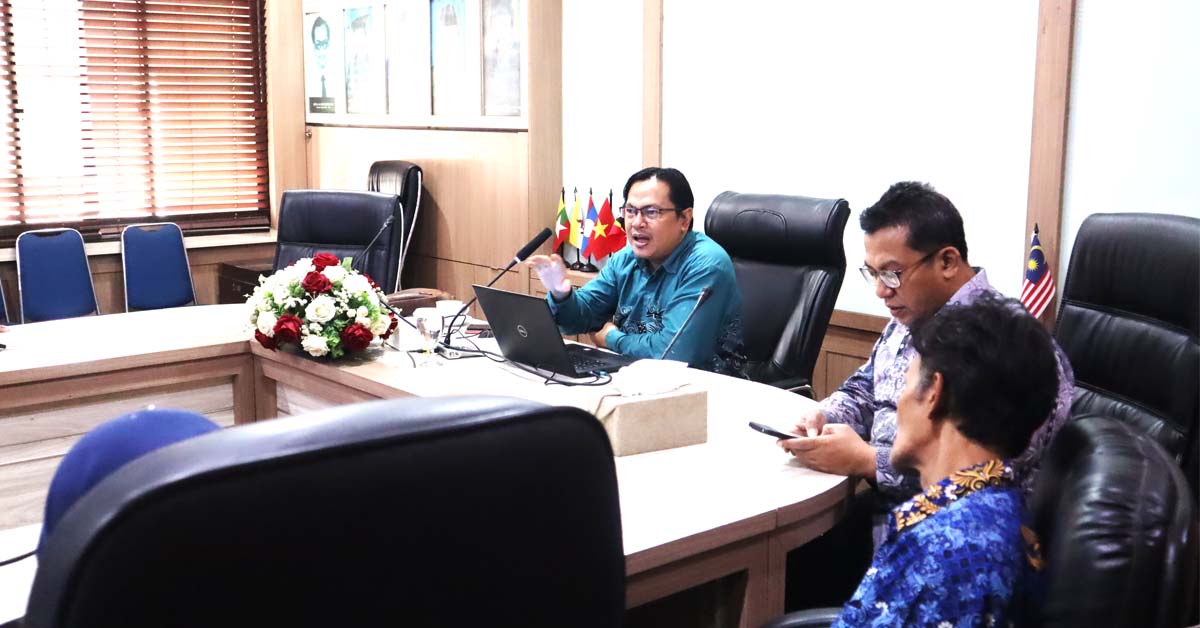
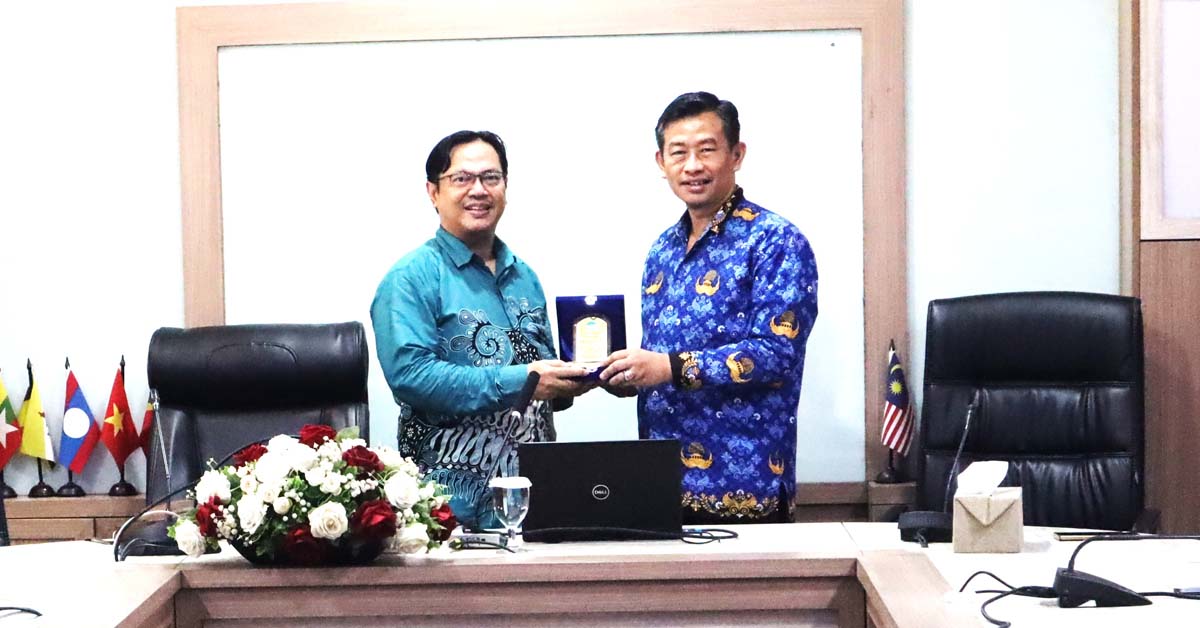
Following the Dean's remarks, the event continued with a presentation by Yogi Widianto entitled “Implementing Organizational Governance Based on SOPs and ISO Standards.” In his presentation, Yogi explained that every organization essentially has work processes that can be documented in the form of SOPs. Even work documents currently used in Word or Excel can become part of an SOP system when the processes are properly recorded, standardized, and consistently implemented.
“An SOP is a written guideline or reference used to guide an organization in achieving its objectives,” Yogi explained during his presentation.
He further explained that SOPs are more than just documents. They are instruments for ensuring that every work process clearly defines the stages of activities, the parties responsible, the implementation timeline, and the evidence or documents produced.
In the context of government institutions and higher education, Yogi also highlighted the importance of complying with applicable regulations when developing SOPs. One of the references discussed was Minister of Administrative and Bureaucratic Reform Regulation No. 35 of 2012 concerning Guidelines for the Preparation of Standard Operating Procedures for Government Administration. This regulation establishes SOPs as guidelines for developing, documenting, improving, monitoring, and evaluating organizational work processes.
In addition to government administration SOPs, Yogi introduced ISO 21001, an international standard specifically designed for management systems in educational organizations. According to the materials distributed to participants, ISO 21001 helps educational organizations establish more structured management systems while improving the efficiency, consistency, and quality of educational services.
According to Yogi, implementing SOPs offers several important benefits, including maintaining consistent employee performance, reducing errors and negligence, improving work effectiveness and efficiency, clarifying the division of duties and responsibilities, and preventing overlapping tasks. SOPs can also serve as instruments for strengthening accountability and supporting organizational evaluations of work processes.
Yogi emphasized that the success of SOP implementation depends heavily on the consistency and commitment of everyone within the organization. SOPs must be clearly understood and followed by all relevant parties, properly documented, and open to revision in response to organizational needs. The principle of continuous improvement is essential to ensuring that SOPs do not remain merely written documents but continue to evolve alongside organizational developments.
During the training, participants were also introduced to sample SOP formats and the various components that need to be included, such as SOP numbers, SOP titles, legal bases, activity stages, implementing personnel, implementation timelines, and remarks. Yogi also provided examples of SOP implementation in educational and administrative settings to help participants understand the relationship between written procedures and everyday work practices.
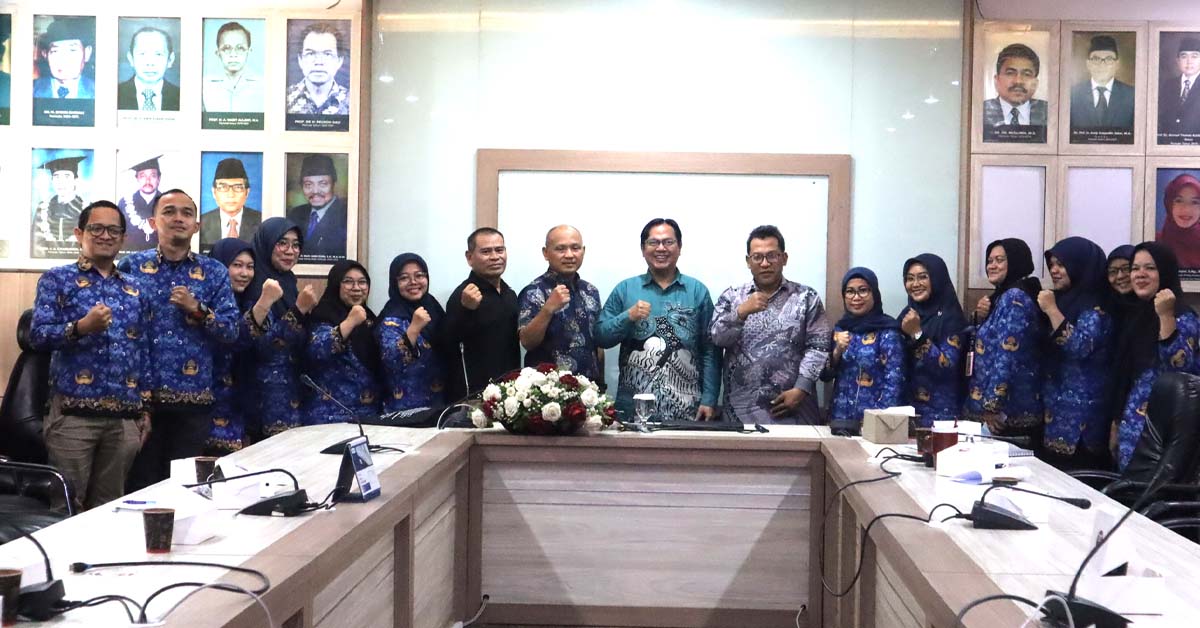
Through this training, FSH UIN Jakarta is expected to further strengthen its organizational governance and establish a more orderly, effective, efficient, and quality-oriented working environment. The implementation of SOPs and ISO-based quality management principles is expected to improve service quality while ensuring that every work process within the faculty is carried out consistently, properly documented, and continuously improved.
(Nsc)